和敬清寂
What I am learning from the Urasenke School of Tea Ceremony and how I apply the practice of the “Way of Tea” in my day-to-day life.
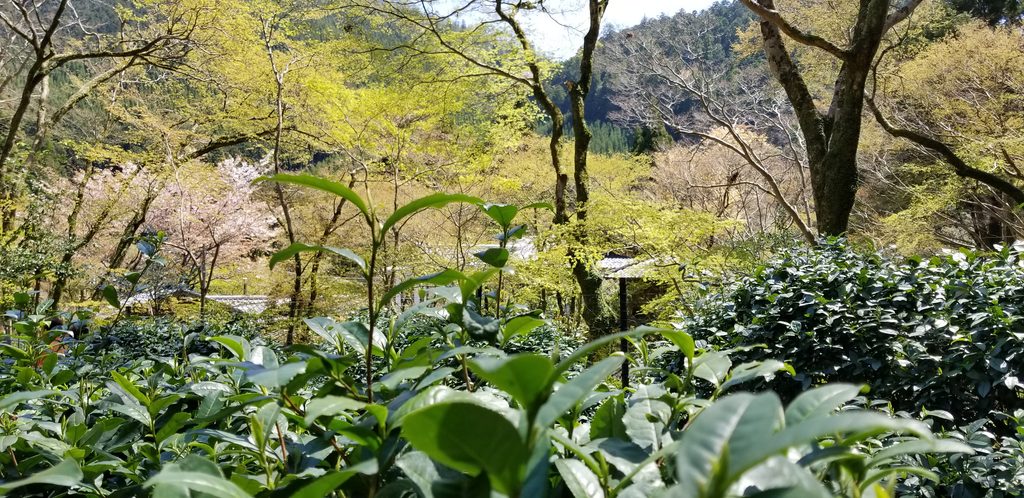
https://kosanji.com/
What is 和敬清寂 Wa Kei Sei Jaku?

和 : Wa
Harmony
Connection and balance between people, with the environment, and with the flowing rhythms of nature. It involves being open-minded, humble, and free from pretense.
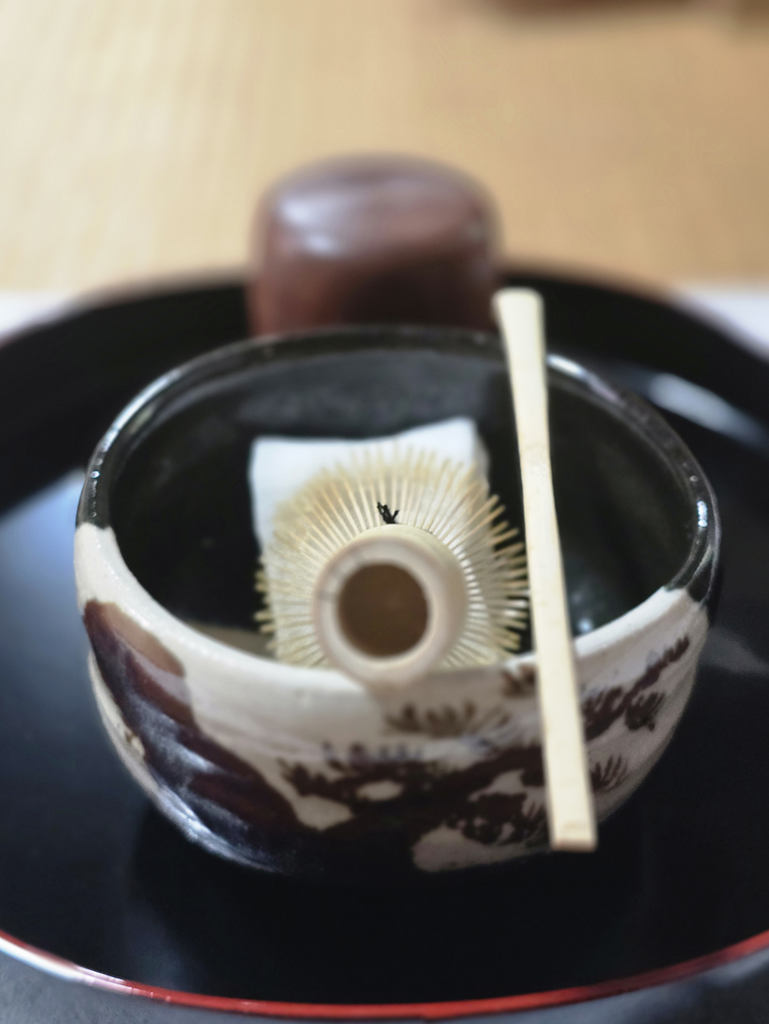
敬 : Kei
Respect
Sincerity and gratitude, recognizing the dignity of every person, object, and aspect of the environment. This includes cherishing unity and treating everyone and everything with care.
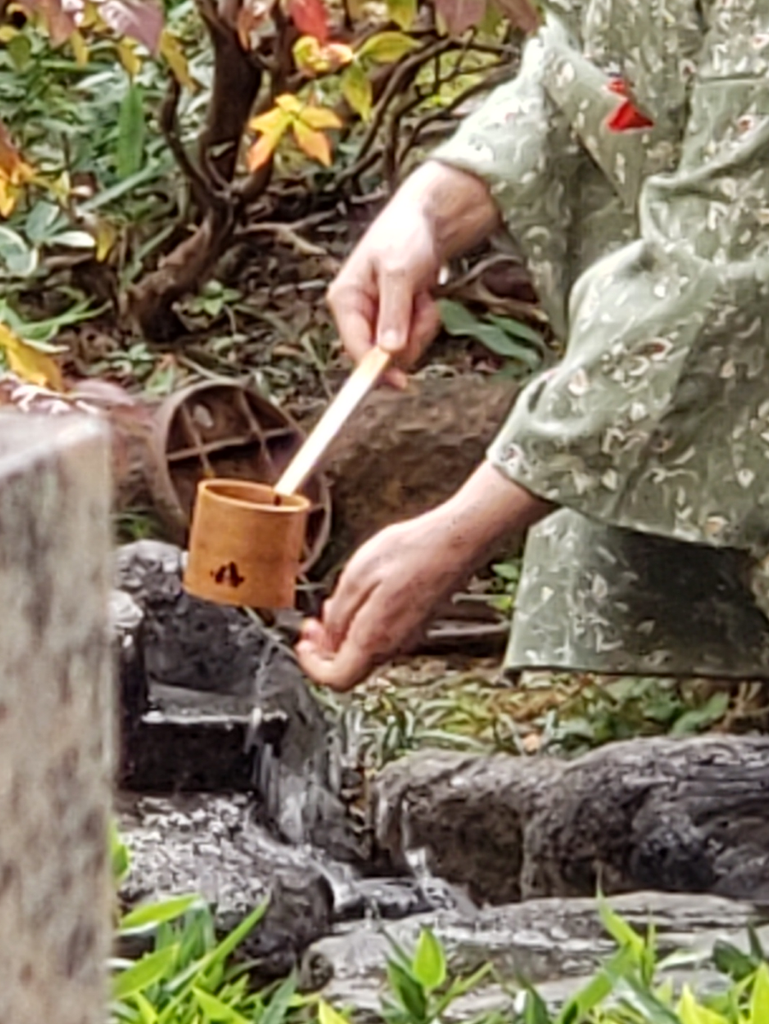
清 : Sei
Purity
Refers to both physical and mental cleanliness. It involves creating a clear and simplified environment and a pure, uncluttered mind, often symbolized by the meticulous cleaning of utensils and the tearoom.
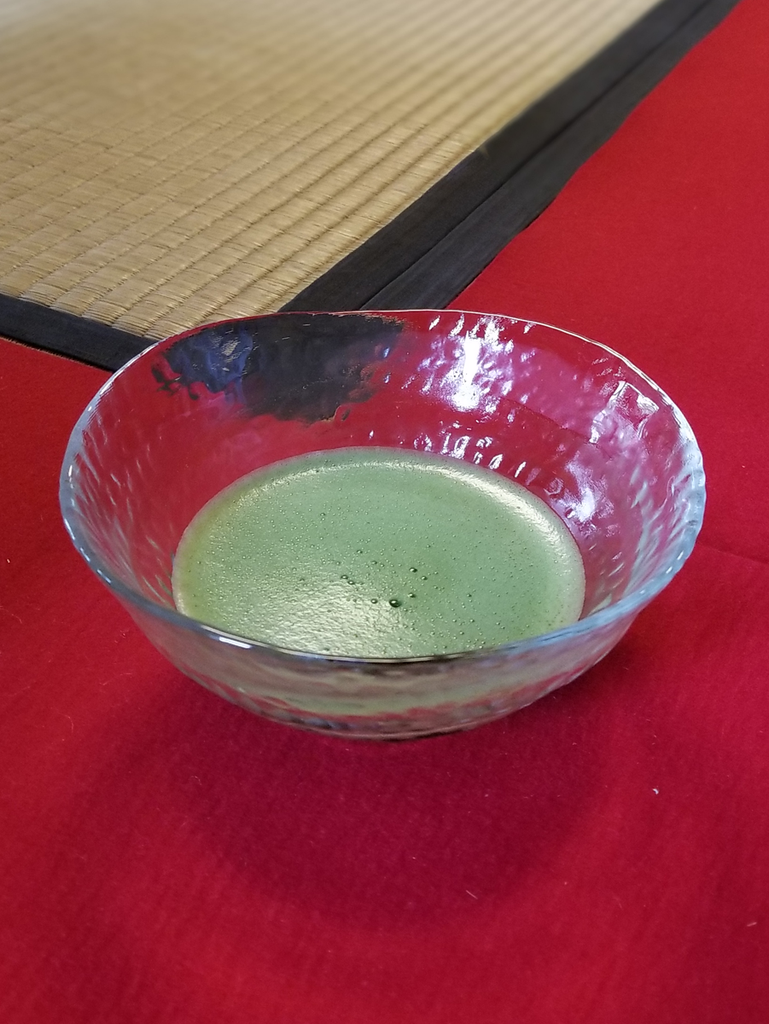
寂 : Jaku Tranquility
Represents a peaceful and unperturbed state of mind, free from worldly desires and impurities. It’s a deep stillness and selflessness that is both a goal and a starting point for each practice.
Peacefulness through a Bowl of Tea.
– Soshitsu Sen XV
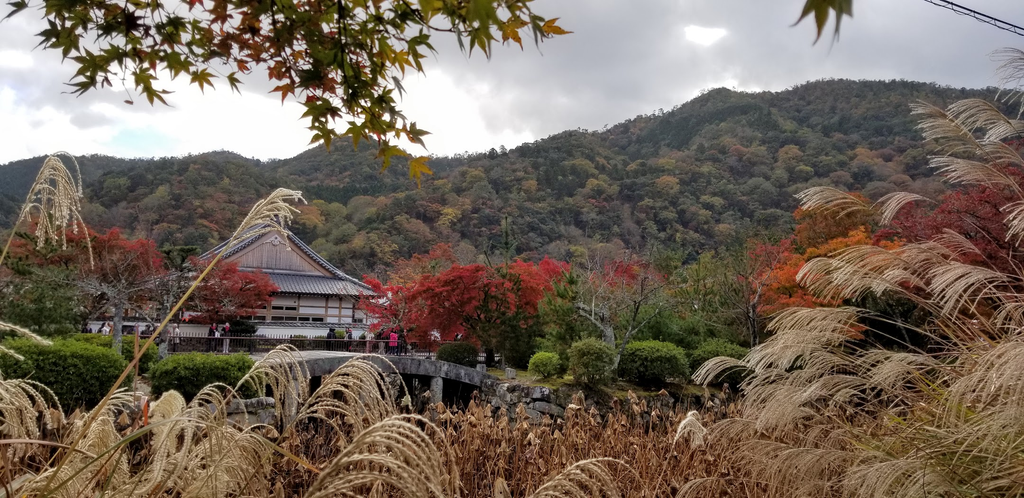
Tenryu-ji Hatto (Dharma Hall) 法堂, Kyoto.
https://www.tenryuji.com/unryuzu/
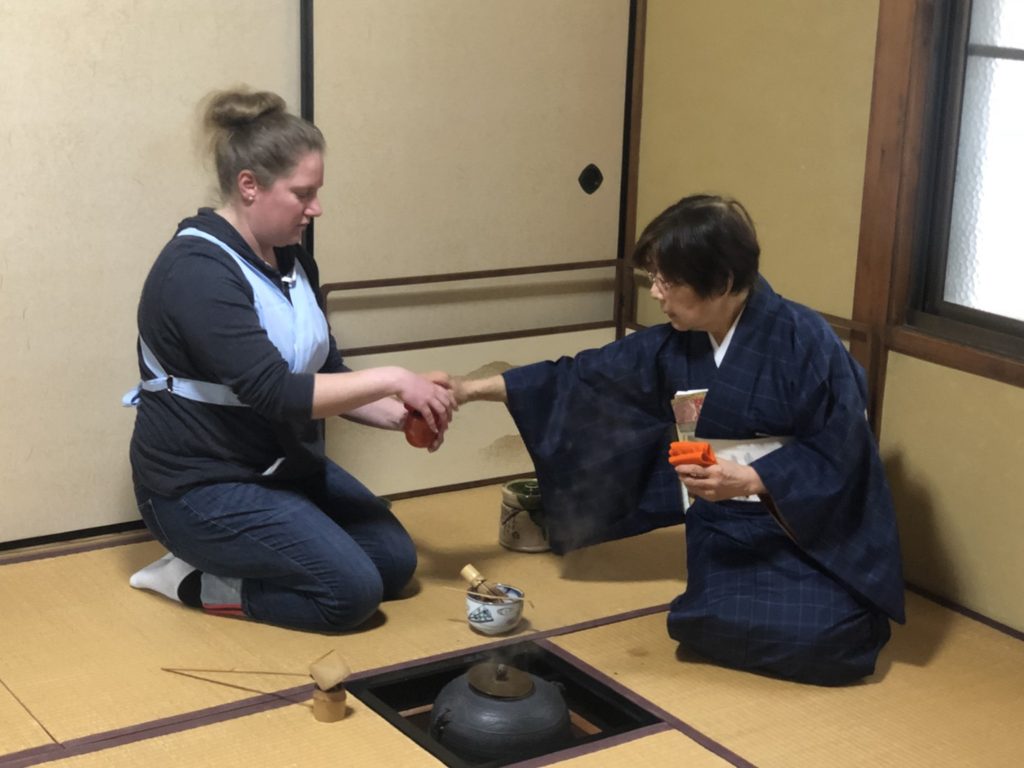
I began learning from my sensei, Noriko Kato, in the fall of 2017.
Kato Sensei and I

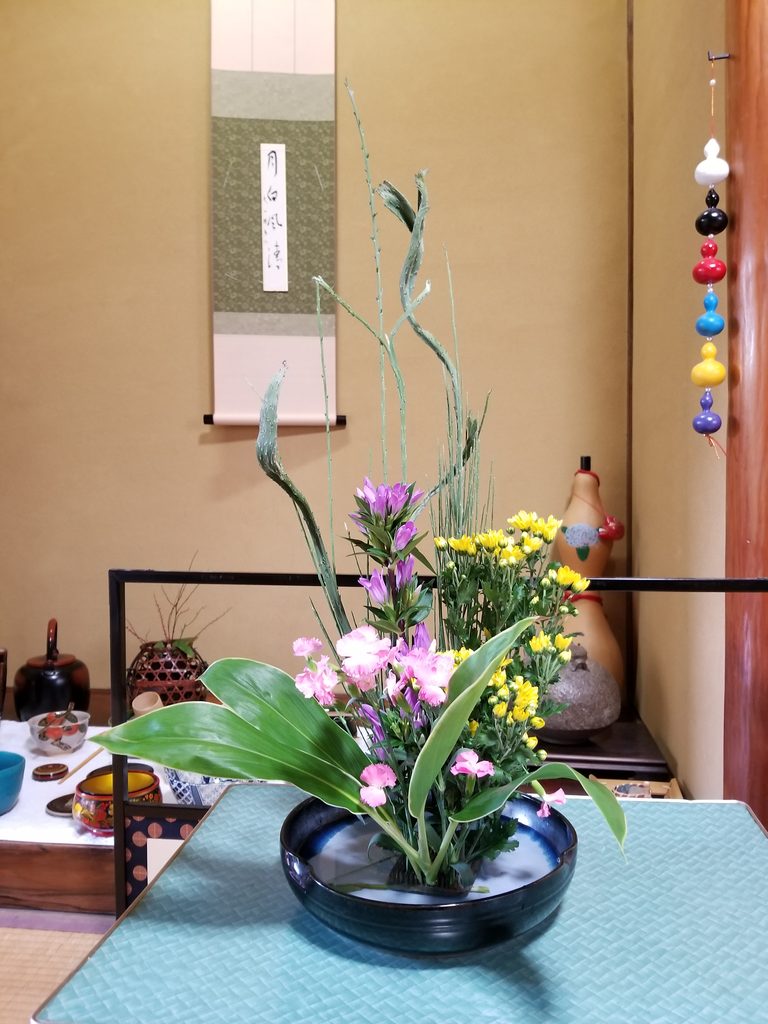
Ikebana

Noriko Sensei also shared her family’s knowledge of kimono and yukata making. Under her patience guidance, I sewed my own yukata by hand. It took me about a year to do it, between teaching arts and English part-time and learning the tea ceremony. It was a hard challenge with a great reward. My first custom-fitted yukata!

Calligraphy